Green Initiatives: How E-Waste Recycling Services Are Protecting Our Planet
Electronic waste presents serious dangers to the environment, as abandoned electronic devices commonly carry harmful materials. These toxic materials have the potential to taint soil and water sources, leading to broader ecological damage. E-waste recycling services present a viable solution. They serve the dual purpose of reclaiming precious materials and reducing contamination. Gaining insight into how these programs function and affect local communities is critical. The journey towards effective e-waste management raises critical questions about individual responsibility and collective action. What measures can be pursued from this point onward?
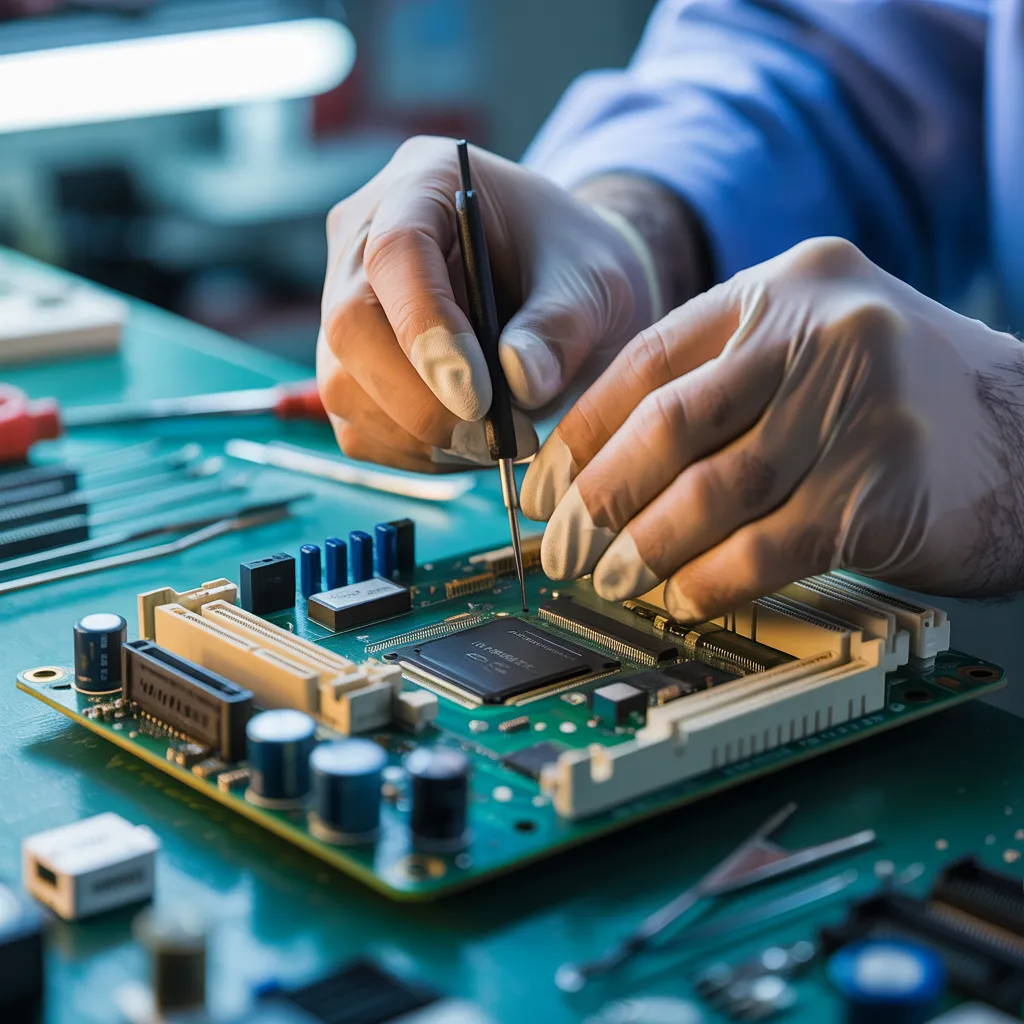
How E-Waste Is Hurting the Planet
Even though technology enriches modern life, e-waste creates considerable environmental hazards. Discarded electronic devices, commonly laden with dangerous compounds like mercury, lead, and cadmium, are capable of seeping pollutants into soil and groundwater, posing risks to ecosystems and human health. The swift progression of technology leads to increased consumer turnover of electronics, worsening the buildup of electronic waste.
Landfills, already overwhelmed with refuse, find it difficult to handle the increasing amounts of discarded devices. Burning, an alternative disposal approach, discharges toxic contaminants into the air, worsening overall air quality. Moreover, poor recycling procedures can cause e-waste to be sent to developing regions, where employees may disassemble electronics without sufficient safety precautions, leaving them vulnerable to harmful substances. This cycle of neglect and improper handling underscores the urgent need for sustainable recycling solutions that can mitigate the adverse effects of e-waste on the planet.
What Is E-Waste and Why Is It Important?
E-waste, also referred to as electronic waste, encompasses obsolete electronic products including smartphones, computers, and televisions that have reached the end of their useful life. This increasingly prevalent form of waste is important due to its rapid accumulation, fueled by innovation in technology and shifting consumer habits. As more devices become obsolete, the environmental impact intensifies, with dangerous elements including lead, mercury, and cadmium posing risks to ecosystems and human health.
The significance of tackling e-waste extends beyond minimizing these risks to recognizing the valuable resources it holds. Valuable metals and rare earth materials can be extracted and repurposed, lessening the demand for mining and preserving natural resources. By understanding e-waste and its implications, individuals and organizations can make informed decisions about disposal and recycling, ultimately contributing to a more sustainable future. Responsible management of e-waste plays a key role in supporting a circular economy and championing environmental stewardship.
The Way E-Waste Recycling Functions
Recycling e-waste involves a structured approach designed to recover valuable materials while minimizing environmental impact. To begin, electronic waste is gathered and delivered to purpose-built recycling plants. Upon arrival, the devices undergo thorough sorting to distinguish harmful elements from reusable resources.
Following this, employees deconstruct the products, removing plastics, metals, and glass. This step is critical, as it facilitates the extraction of precious metals like copper, gold, and silver, which are repurposed in new electronic devices.
Next, the separated materials are refined with advanced techniques, such as shredding and chemical treatments, to purify them for further use.
Finally, the remaining dangerous materials are managed properly, following eco-friendly standards. This systematic method not only saves important resources but also reduces the dangers linked to unsafe e-waste handling, securing a more eco-conscious future for the consumption of electronics.
Benefits of E-Waste Recycling for You and Your Community
Though many people are unaware, the advantages of e-waste recycling go far beyond individual benefit and actively shape entire communities. By responsibly disposing of electronic waste, individuals help foster a cleaner environment, minimizing harmful substances that can leach into soil and water. This proactive approach helps preserve local ecosystems and promotes public health.
In addition, the recycling of e-waste encourages the creation of jobs in communities. Nearby recycling establishments regularly need employees for a range of functions, spanning collection through processing, thereby providing employment opportunities for local residents. This not only enhances the community economy but also encourages community engagement in sustainable practices.
Additionally, knowledge about e-waste recycling can lead to awareness campaigns, empowering residents to adopt eco-friendly choices. By taking part in e-waste recycling programs, individuals foster a culture of sustainability, prompting others to embrace similar practices. Overall, the shared impact of these actions can contribute to a more robust and eco-friendly community.
Tips for Choosing an E-Waste Recycling Service
Choosing the right electronic waste recycling provider is essential for making sure that electronic refuse is managed responsibly and sustainably. Initially, individuals should verify the provider's accreditations, such as e-Stewards or R2, which indicate conformance to industry standards for secure waste disposal procedures. It's also important to examine the provider's credibility by checking reviews and looking for advice from dependable sources.
Furthermore, transparency in the recycling process is vital. A trustworthy provider should provide clear information about the manner in which e-waste is managed and how the materials are utilized. Additionally, evaluating the range of services offered can be beneficial; some companies may provide pickup services or offer incentives for recycling.
In addition, understanding local guidelines related to e-waste disposal can further guide the evaluation process. By taking these elements into account, residents can actively participate in efficient electronic waste handling while also advancing sustainable environmental efforts.
Ways You Can Participate in E-Waste Recycling?
Engaging in e-waste recycling may begin at the local level, where local recycling facilities regularly supply essential services for safe disposal. Moreover, taking part in community awareness campaigns can enhance efforts to inform others regarding the importance of ethical e-waste practices. Such efforts not only promote sustainability but also foster a collective sense of stewardship of the environment.
Area Recycling Stations
Several community recycling facilities fulfill a critical purpose in the recycling of e-waste, offering communities convenient opportunities to handle electronic waste in a responsible manner. These facilities handle a wide array of electronic items, including old computers, smartphones, and televisions, guaranteeing that dangerous substances are processed safely. The majority of facilities employ trained staff who can guide individuals on proper disposal methods, emphasizing the importance of recycling over landfilling. Furthermore, various hubs coordinate planned drop-off gatherings or set collection days, allowing residents to take part with ease. By taking advantage of these neighborhood resources, people help build a circular economy, minimizing ecological impact and fostering sustainable behaviors. Connecting with these stations enables communities to combat e-waste pollution successfully.
Community Outreach Campaigns
Nearby organizations, schools, and enterprises can partner to arrange initiatives that encourage e-waste collection drives. Community members can serve a critical function in raising awareness, sharing informational resources, and connecting with local residents. As a result of these combined actions, residents become more informed and motivated to recycle their electronic waste, ultimately contributing to a more sustainable future.
Frequently Asked Questions
What Electronic Devices Are Eligible for Recycling?
A wide range of electronics are able to be recycled, including smartphones, computers, laptops, televisions, printers, and gaming consoles. Additionally, accessories such as batteries, keyboards, and mice are equally appropriate for recycling, promoting environmental conservation efforts.
Are There Fees Involved With E-Waste Recycling?
Indeed, e-waste disposal may involve fees, depending on the service provider. Some service centers charge fees for collection or processing, while some providers offer free services, typically funded by the proceeds from salvaged materials.
How Do Businesses Gain From E-Waste Recycling?
Organizations can gain from e-waste recycling by minimizing disposal costs, improving their green reputation, adhering to regulatory requirements, extracting valuable resources, and potentially generating revenue through resale, thus supporting a greener and more sustainable operational framework.
What Becomes of Data on Recycled Devices?
Information See details from recycled equipment is commonly completely removed or destroyed throughout the recycling process. This confirms sensitive information remains secure, preventing unauthorized access while enabling materials to be repurposed safely and responsibly within new applications.
Can I Recycle Broken Electronics?
Indeed, non-functioning electronics may be recycled. Several recycling centers process damaged devices, guaranteeing proper disposal and retrieval of useful materials. It helps lower harm to the environment while promoting responsible recycling practices to handle e-waste responsibly.